Forsyth Barr Central Otago
Safety in numbers
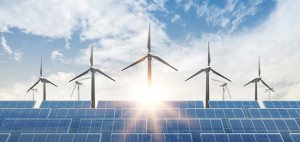
Where there is beauty, there is often danger. In New Zealand, it lurks in our mountains in the form of faultlines. It lurks underground in our volatile geothermal areas. And it lurks in our swollen rivers and lakes after increasingly intense storms. So how prepared are we in Central Otago? And how can the region - and the individuals within it - ensure it can handle the jandal in an emergency?
Even relatively small events like the recent floods in Queenstown tend to cause a bit of chaos. A rupture of the Alpine Fault - which is now overdue - will be a lot more chaotic and could severely damage roads, electricity infrastructure and other essential connections. Parts of the region could be cut off and potentially without grid power or fuel for weeks, or even months.
We don’t like to think about these kinds of events happening, but we need to plan for them and it’s good to see a growing number of locations in the region being set up to help out the community in an emergency.
The Queenstown Golf Club, which doubles as a civil emergency hub, recently had solar and batteries installed, while Headwaters in Glenorchy is also set up to be self-sufficient. Schools around the region including Wānaka Primary, Cromwell College, Dunstan High School and Arrowtown Primary have been selected as part of the $30 million Solar on Schools scheme (some of the funding is being used to increase the size of their existing solar systems) and could act as meeting points. And councils are increasingly looking to invest in their own generation and storage on public buildings.
Diversification is important when it comes to investment portfolios and we could also have hundreds of thousands of extra emergency hubs around the region if more homes and businesses took energy into their own hands and saw themselves as part of the community response.
There are different levels of resilience available at home, and it comes at different costs. You could stay connected for around $100 with the help of a small solar panel that can charge your phone. You could buy small portable batteries and solar systems for a few thousand if you need a bit more juice. You could invest tens of thousands in rooftop solar and batteries to create a resilient home that can keep running without grid power. And you could create mobile resilience by investing in an EV that can be plugged in to run facilities or equipment where it’s most needed.
An emergency kit, a log burner, a gas bottle or a diesel generator may offer ‘survival’ resilience. But being able to heat your water, run your washing machine, charge your devices and cook a meal for the neighbours - and do it again the next day when the sun comes up - is real resilience. And, just like a life jacket - or a good investment strategy - it pays off when you really need it.
We see this every time a major storm event or grid outage occurs around the country. After Cyclone Gabrielle, there were stories of pharmacies plugging in an EV so they could keep on handing out medicine, while homes with solar and batteries became havens for those with no access to power. After the crazy wind storm down south last year, Fairbank Farm’s Chris Stewart and Michael Farmer were able to keep milking their cows (and, importantly, keep the milk cold) while neighbours scrambled to fix old diesel generators that hadn’t been used for years or had to drive for hours to find the few that were available.
Resilience is not just about being able to deal with geological or meteorological shocks, however. We are living through one of the most unstable geopolitical periods since World War II and the chaos is likely to keep coming.
While many talk with pride about New Zealand’s renewable energy system, it is actually only a renewable electricity system. That’s still something to be proud of, but over half of our total energy is imported - mostly petrol and diesel. This year, we’ve seen how much of an impact rising fuel prices can have on our economy, but the next shock could be worse. We are a tiny country at the end of the supply chain. What if the boats don’t actually turn up?
Our geographic isolation is an asset in many respects, but it can become a critical liability in a fuel emergency, which is why we need to run more of the region’s homes, farms and businesses on New Zealand-made energy. And, unlike the emergency kit sitting in your garage, solar, batteries and EVs actually get used and save you money as you’re using them.
It’s cheaper to run your home and car on local electrons than imported energy or gas and it is resilience that pays for itself through the savings. All those installs create more jobs in the region and a lot of those savings will be spent in the community, so it’s also an opportunity to grow the local economy, rather than continue to send money offshore.
Local folk are clearly getting the message: just 4% of homes across the country have rooftop solar, but Central Otago is at around 10% and Queenstown Lakes is at 12%. The Electricity Authority says almost 20% of solar installs in the region now come with a battery (while local installers say it’s much higher than that now) and EV ownership, while still a small chunk of the total fleet, is growing. That’s good for resilience, good for bills and good for emissions.
All the best things in life have some danger attached - and some would argue that all the best places do, too. We can deal with that danger as long as we’re prepared for it. And when more homes can play a part in the community response, we will be.
This article is general in nature, has been prepared in good faith, and should not be regarded as financial advice.
To talk investment - either for yourself or the region – get in touch with us at Forsyth Barr Investment Advice Central Otago on 03 443 2980.
Interested in investing with us?
Please head to our online enquiry form to fill out your details and how we can help you. An investment adviser nearest to you will be in touch to discuss next steps.